Get Wood Chips Installation
Wood chips installation services help property owners improve landscaping, prevent erosion, and complete projects like gardens, pathways, or playgrounds with the help of local contractors.
If you are considering a wood chips installation for your property, you're in the right place to explore your options. Many property owners find that adding wood chips can improve landscape aesthetics, help with weed control, and provide a natural, tidy appearance to garden beds and pathways. Planning such a project involves understanding the scope and selecting experienced service providers who can deliver quality results tailored to your property's needs. Comparing local contractors can ensure you find the right fit for your project and preferences.
By continuing to explore, you can discover trusted local service providers equipped to handle wood chips installation efficiently and effectively. Whether enhancing outdoor spaces or maintaining a neat landscape, connecting with experienced contractors can help bring your vision to life. Keep reading to learn more about how local experts can assist with your project and what to consider when planning your landscape improvements.
- Wood Chips Installation - when creating a natural mulch layer for garden beds or landscaping projects.
- Wood Chips Delivery - for property owners needing bulk wood chips brought directly to their site.
- Wood Chips Spreading - when a property requires professional distribution of wood chips over large areas.
- Wood Chips for Play Areas - for installing safety surfacing in playgrounds or recreational zones.
- Wood Chips for Erosion Control - to stabilize slopes and prevent soil erosion on residential or commercial properties.
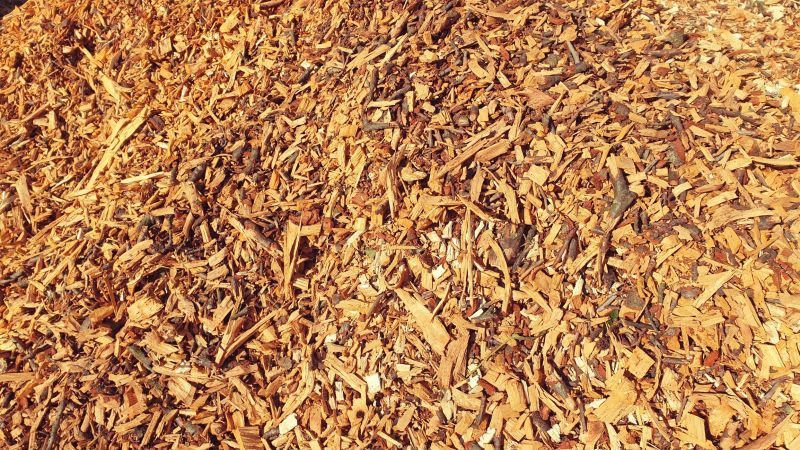
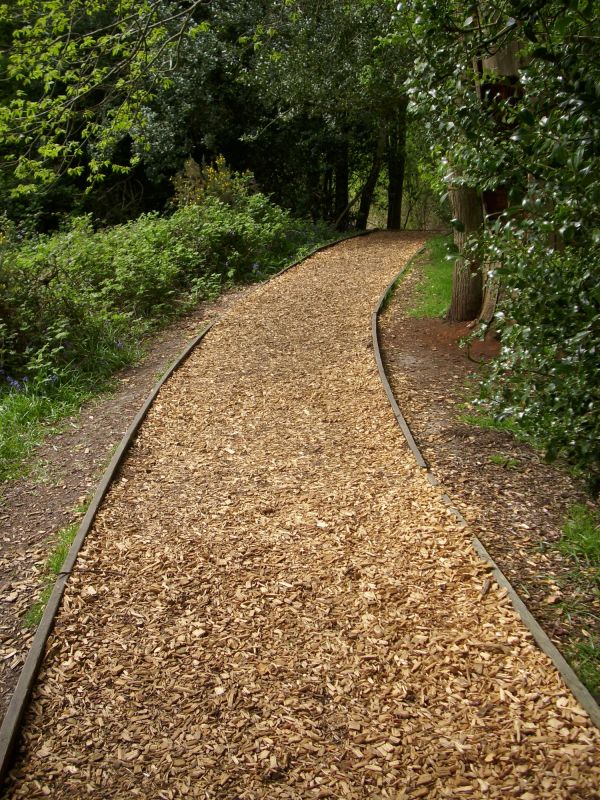
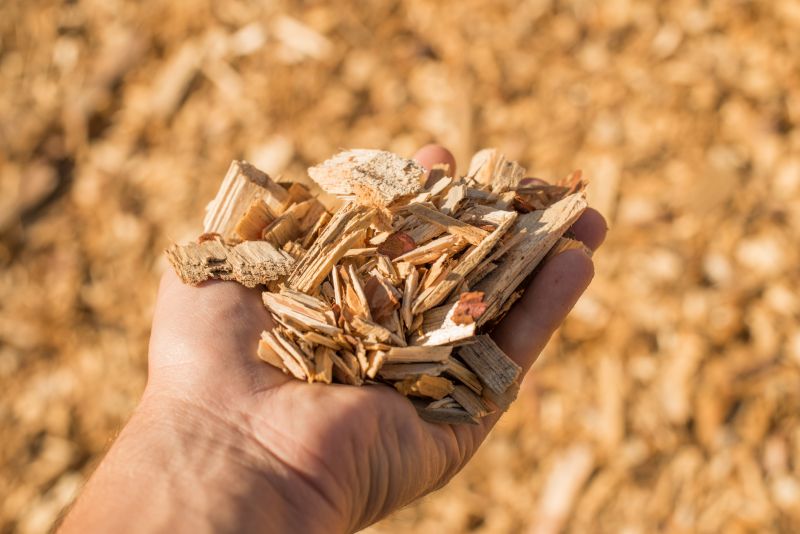
Wood chips installation is a versatile landscaping service that involves spreading a layer of wood chips over garden beds, pathways, or play areas. This process typically includes preparing the ground surface, spreading the wood chips evenly, and ensuring proper coverage to create a natural, attractive look. Many service providers also offer assistance with selecting the right type of wood chips to suit the property’s aesthetic and functional needs. This service can help enhance the appearance of outdoor spaces while providing practical benefits such as weed suppression and soil moisture retention.
One common reason homeowners seek wood chips installation is to address weed growth. A thick layer of wood chips acts as a natural mulch that helps prevent weeds from sprouting and spreading in flower beds, vegetable gardens, or around trees. Additionally, wood chips can improve soil health by gradually decomposing and adding organic matter, which benefits plant growth. This service can also be useful for creating safe, cushioned play areas for children or pets, reducing the risk of injury from falls while maintaining a clean and tidy look.
Properties that frequently use wood chips installation include residential yards, community parks, playgrounds, and commercial landscaping projects. Homeowners often choose this service to create defined garden borders, pathways, or play zones that are low-maintenance and visually appealing. Larger properties or public spaces may utilize wood chips to manage large areas efficiently, offering a natural, consistent ground cover that minimizes the need for frequent upkeep. Whether for aesthetic purposes or functional ground covering, local contractors can tailor the installation to match the specific needs of each property.
Homeowners who want to improve their outdoor spaces or manage weed growth might consider wood chips installation services. This work is suitable for those looking to create a natural-looking landscape, protect plant beds, or establish safe play areas. Local service providers can assess the property’s requirements, recommend appropriate types of wood chips, and handle the installation efficiently. Contacting experienced contractors ensures the job is done properly, helping to achieve an attractive, functional outdoor environment that aligns with the property’s overall design.
The overview below groups typical Wood Chips Installation projects into broad ranges so you can see how smaller, mid-sized, and larger jobs often compare in your area.
In many markets, a large share of routine jobs stays in the lower and middle ranges, while only a smaller percentage of projects moves into the highest bands when the work is more complex or site conditions are harder than average.
Smaller Jobs - Installing wood chips for a small garden or landscape bed typically costs between $250 and $600. Many routine projects fall within this range, depending on the area size and material quality.
Medium-Scale Projects - Larger landscaping areas or multiple beds can range from $600 to $1,500. Most local contractors handle projects in this band, with costs varying based on surface area and site conditions.
Full Yard Coverage - Covering an entire yard or extensive garden with wood chips often costs between $1,500 and $3,000. These projects are common and usually involve more material and labor, influencing the overall price.
Large or Complex Installations - Very large or intricate wood chip installations can exceed $3,000 and sometimes reach $5,000 or more. Fewer projects push into this high-cost range, which reflects added scope and complexity.
Actual totals will depend on details like access to the work area, the scope of the project, and the materials selected, so use these as general starting points rather than exact figures.
Mulching Projects - local contractors can install various types of mulch, including wood chips, to enhance landscape aesthetics and soil health.
Garden Bed Preparation - professionals prepare garden beds by layering organic materials like wood chips, requiring similar planning and tools.
Playground Surfacing - installing wood chip surfacing for playgrounds involves site preparation and material spreading skills comparable to wood chips installation.
Pathway and Walkway Construction - creating natural pathways with wood chips or similar materials involves ground leveling and material distribution expertise.
Erosion Control Projects - using wood chips or mulch for erosion prevention requires knowledge of site assessment and material application techniques.
Landscape Renovation - general landscape upgrades often include installing wood chips as ground cover, utilizing similar planning and installation skills.
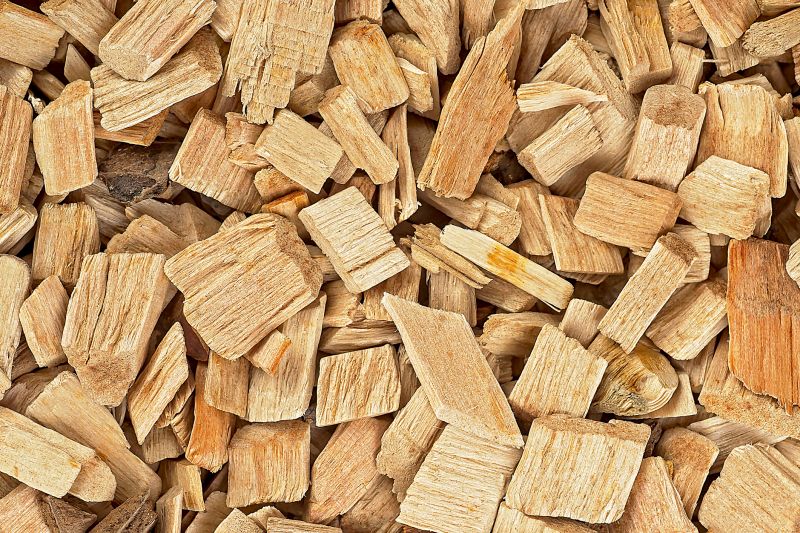
When comparing local contractors for wood chips installation, it’s important to consider their experience with similar projects. Homeowners should inquire about how long a service provider has been working with wood chips and whether they have completed projects comparable in size and scope. An experienced contractor is more likely to understand the nuances of material preparation, proper installation techniques, and potential challenges, which can contribute to a successful outcome.
Clear, written expectations are also essential when evaluating service providers. Homeowners should seek detailed descriptions of the services offered, including the scope of work, materials used, and any specific responsibilities of the contractor. Having these expectations documented helps ensure everyone is aligned and reduces the risk of misunderstandings or unmet needs during the project.
Reputable references and effective communication are key factors in choosing a reliable local contractor. Homeowners can ask for references from past clients who had similar projects and follow up to learn about their experiences. Good communication throughout the process-such as prompt responses to questions and clarity about procedures-can make a significant difference in the overall experience. It’s worth noting that this site introduces homeowners to local service providers who can handle the work, rather than performing the installation itself, making it easier to compare options and find the right fit.
Property owners use Wood Chips Installation services for practical projects around their homes and businesses. This guide focuses on everyday jobs and straightforward project options.
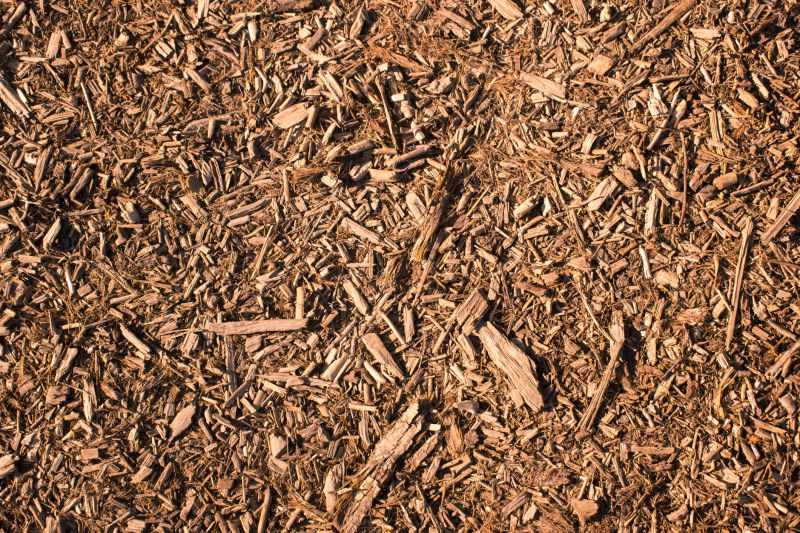
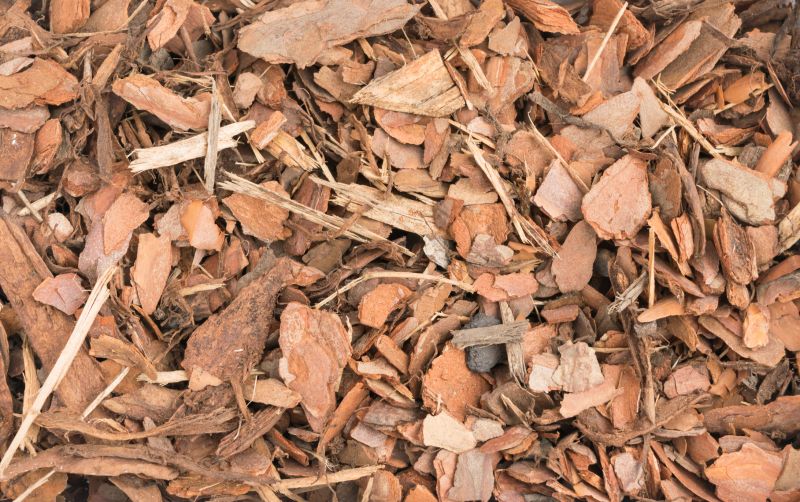
Wood chips installation is a common project for property owners looking to improve landscaping, manage soil erosion, or create natural mulch beds around trees and garden areas. Local contractors often assist with spreading wood chips evenly across designated spaces, helping to enhance the appearance of outdoor spaces while providing practical benefits like weed suppression and moisture retention. Homeowners and property managers might seek these services when updating their landscape or preparing outdoor areas for seasonal changes.
In addition, property owners may look for wood chips installation to reduce maintenance efforts and improve safety around walkways or playgrounds. Local service providers can handle tasks such as sourcing the right type of wood chips and ensuring proper placement to meet specific landscape needs. Whether for aesthetic purposes or functional ground cover, many choose to connect with local contractors experienced in delivering efficient and reliable wood chips installation.
What are wood chips used for in landscaping? Wood chips are commonly used for mulching garden beds, pathways, and around trees to help retain moisture, suppress weeds, and improve soil health.
How do local contractors install wood chips? Contractors typically spread and evenly distribute wood chips over designated areas, ensuring proper coverage and thickness for effective mulching and aesthetic appeal.
Can wood chips be used around existing plants? Yes, wood chips can be applied around existing plants to help conserve moisture, regulate soil temperature, and reduce weed growth.
What types of wood are used for making chips? Common sources include hardwoods like oak and maple, as well as softwoods such as pine, depending on availability and desired appearance.
Are there different installation options for wood chips? Yes, options include fresh mulch, aged or composted wood chips, and decorative varieties, with local service providers able to recommend suitable choices for specific landscaping needs.
Garden Mulching - Property owners can use wood chips to create a natural mulch layer around plants and trees, helping to retain soil moisture and suppress weeds.
Play Area Surfacing - Wood chips serve as a soft landing surface for playgrounds, providing safety and cushioning for children during outdoor activities.
Pathway and Walkway Edging - Installing wood chips along garden paths or walkways can define spaces and add a rustic aesthetic to outdoor spaces.
Erosion Control Solutions - Wood chips can be used on slopes or bare soil areas to reduce erosion and improve soil stability in landscaping projects.
If you are thinking about Wood Chips Installation for a property, this guide is meant to help you understand the work, the typical project types, and how different options might fit your plans.
When you are ready, you can use the quote form on this page to share a few details about your project. From there, local pros can review the basics and respond with options that match what you have in mind.